Key points to check when choosing blinds for south facing rooms
Why south facing rooms need a different approach to blinds
Rooms that face south receive direct sunlight for the longest part of the day. That makes them brighter and warmer than other rooms, but it also creates challenges. The sun’s rays stream in through the window, raising air temperature, fading furniture and flooring, and creating glare that makes screens and televisions hard to use. Standard blinds that work in a north or east facing room often fall short here. The key is to think about solar control from the start, not as an afterthought.
When you begin looking at options, the range of fabrics, mechanisms and finishes can feel overwhelming. A checklist helps you focus on what matters most for a south facing window. Below are the main points to check before you decide.
Check the fabric’s reflective properties
Not all blind fabrics handle sunlight the same way. Some absorb heat and re-radiate it into the room, which is the opposite of what you want. The best choice for a south facing room is a fabric with a reflective backing or a metallic coating. These materials bounce a large part of the solar radiation back out through the glass before it becomes heat inside the room. When you look at fabric samples, hold them up to a strong light. If you can see the light clearly through the weave, that fabric offers little solar control. A reflective fabric will appear denser and often has a shiny surface on the side that faces the glass.
Consider the blind type and how it seals the window
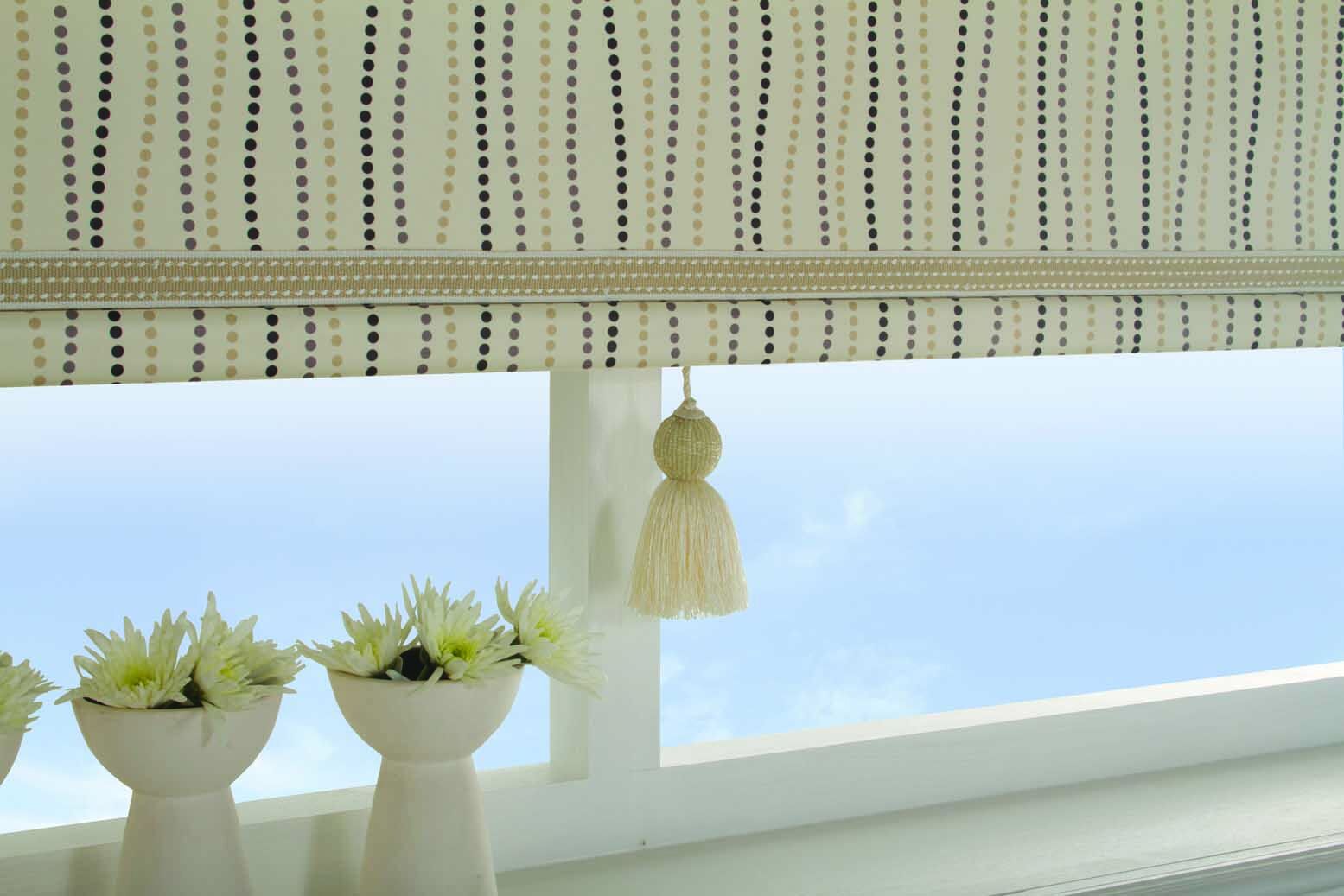
Even the best fabric loses effectiveness if the blind does not sit close to the glass or leaves gaps at the sides. Roller blinds and roman blinds can work well because they mount directly onto the window frame or very close to it. For south facing rooms, a perfect fit matters more than in any other orientation. Any gap lets solar heat pour in and reduces the cooling effect of the fabric. Some blinds come with side channels or a track system that holds the fabric tight against the frame. This is especially useful for large south facing windows or glass doors where the heat gain is highest. If the blind is fitted inside the recess, check that the fabric has minimal clearance on each side.
Look at the thermal lining and insulation layer
A thermal lining does more than keep warmth in during winter. In a south facing room, a good lining also helps stabilise temperature by slowing the transfer of heat from the glass into the room. Many people think of insulation only for cold weather, but the same principle works in reverse. A lined blind creates a buffer of still air between the window and the room. That buffer reduces how much the glass heats the air inside. When you compare products, ask about the thickness and material of the lining. A simple cotton lining offers little thermal benefit. A foam-backed or aluminium-coated lining gives much better performance in a south facing room.
Check the light control and privacy balance
South facing rooms often suffer from harsh glare in the middle of the day. Yet many homeowners also want to keep some natural light, not black out the room entirely. This is where the choice of fabric opacity matters. Blackout fabrics block all light and are ideal for bedrooms or media rooms, but in a living room or kitchen you might prefer a dimout or semi-sheer fabric. Some modern solar control fabrics are designed to reduce glare while still letting in a soft, diffused light. They are often called sunscreen or day-night fabrics. These strike a balance: they keep the room usable without needing to close heavy curtains every afternoon. If privacy is a concern, check the fabric’s view-through rating from outside during the day. A reflective fabric that looks dark from inside may look like a mirror from outside, which can be a privacy advantage in a south facing room.
Assess the operating mechanism for daily use
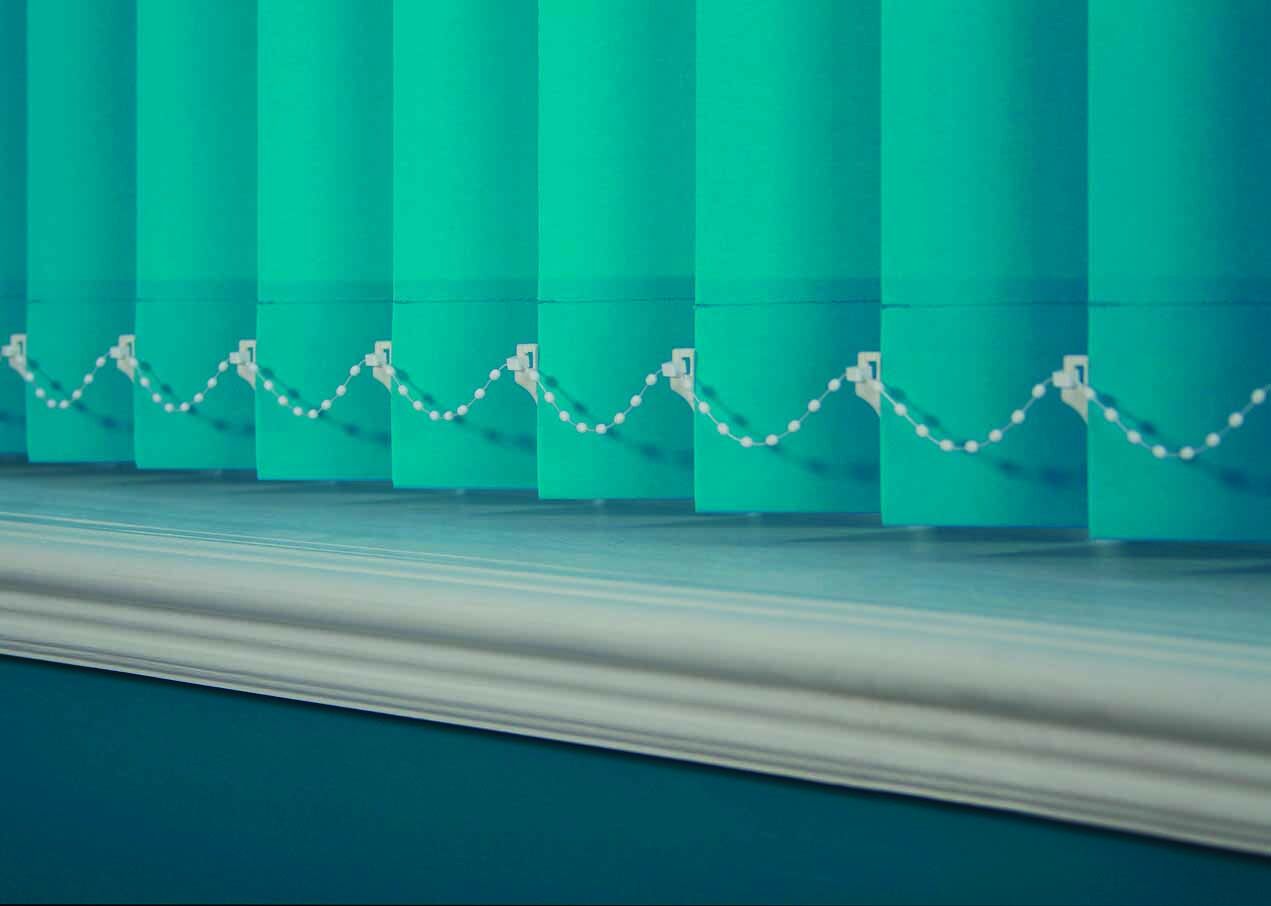
In a south facing room, you will adjust the blinds more often than in any other room. A mechanism that is awkward or stiff will quickly become frustrating. Chain-operated blinds are common, but the chain should run smoothly without catching. Cordless options with a spring mechanism or a motorised drive are increasingly popular because they allow easy adjustment with a simple pull or a remote. Motorised blinds can be programmed to lower automatically during the hottest part of the day and raise again in the evening. This removes the need to remember to close them every morning. If you choose a manual system, make sure the control is positioned where you can reach it without leaning over furniture. The mechanism should also be robust enough to handle frequent use without wearing out quickly.
For homeowners in Derbyshire who are weighing up these options, local suppliers can offer advice tailored to the orientation of your windows. One established provider, Peak Blinds - Hand Fitted Blinds - Derbyshire, focuses on made-to-measure solutions that fit the specific dimensions of your south facing windows. Their range includes fabrics designed to manage solar heat while keeping rooms light and comfortable.
Check the colour and its effect on heat absorption
Colour is not just a matter of taste. Dark colours absorb more solar energy, which means a dark blind facing the sun will heat up and transfer some of that heat into the room. Light colours reflect sunlight and stay cooler. For a south facing room, pale tones on the side that faces the glass are generally better. White, cream, light grey and pastel shades all help reduce heat gain. If you prefer a darker colour for the room side for aesthetic reasons, look for a two-sided fabric that has a reflective white or silver backing facing the window and your chosen colour on the interior side. This gives you the best of both worlds: solar control where it matters and the look you want inside.
Consider the window size and whether you need multiple blinds
A single large south facing window or a set of glass doors behaves differently from a smaller window. The larger the glazed area, the more heat enters the room. With big windows, a single blind can become heavy and difficult to operate, and the fabric may sag over time. It can be better to divide the window into sections with separate blinds. For example, a pair of blinds on French doors or a set of three on a wide bay window allows each section to be adjusted independently. This also gives you more flexibility: you can lower the blind on the side where the sun hits hardest while leaving the other side open for light. When measuring, account for the stacking space of the fabric when it is fully raised. A thick thermal fabric may stack higher than a standard one, which could block part of the window view.
Check for compatibility with conservatory or sunroom conditions
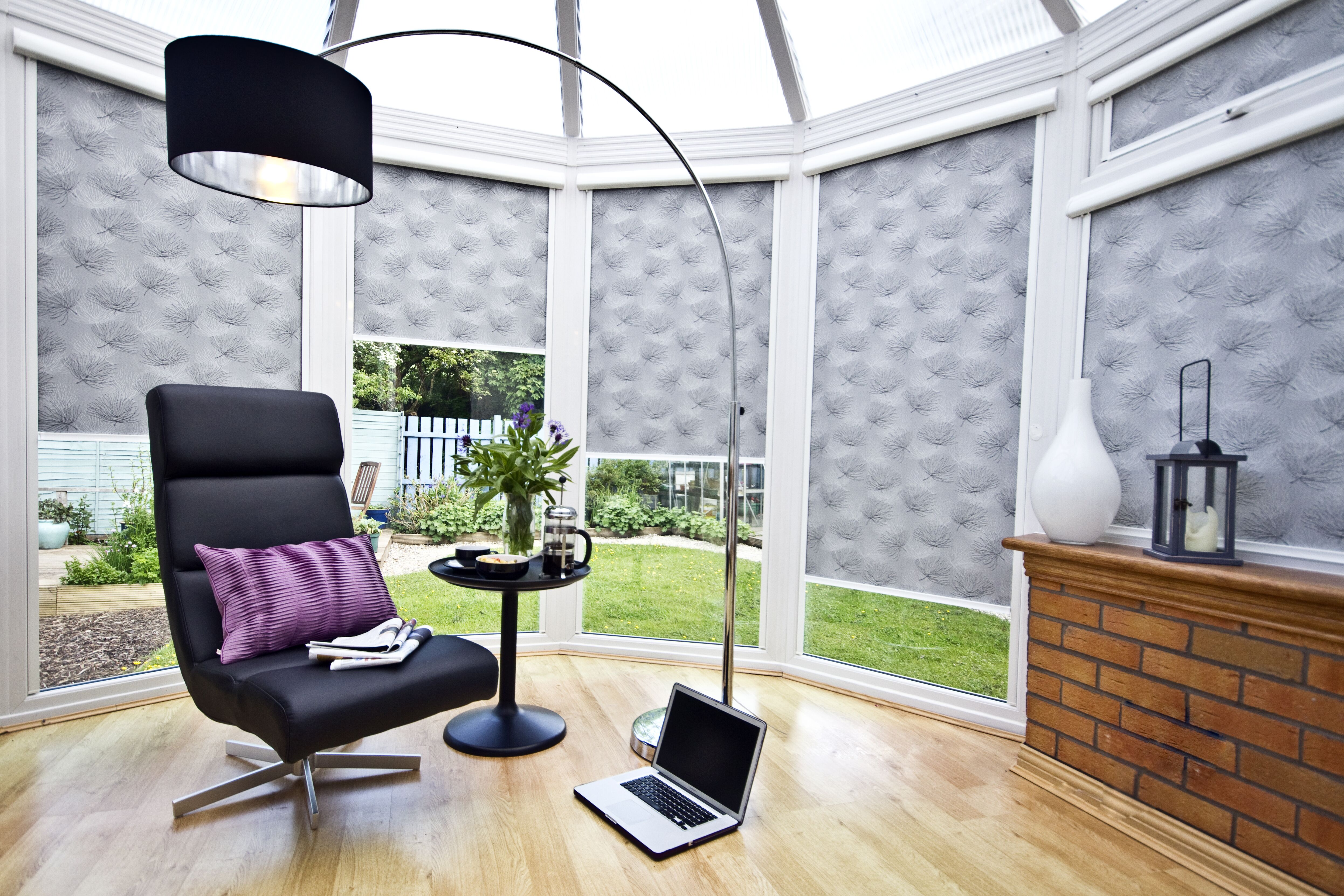
Conservatories and sunrooms are often south facing by design, and they experience extreme temperature swings. The same checklist applies, but with added urgency. In a conservatory, the blind must withstand high temperatures and constant UV exposure without fading, cracking, or becoming brittle. Reflective fabrics and thermal linings are even more important here. Some blinds are specifically rated for conservatory use and include features like tensioned side guides that keep the fabric stable when the window is tilted or the door is open. If your south facing room is a conservatory, check that the blind’s materials and mechanism are rated for that environment. Standard blinds may fail within a year under such conditions.
When it comes to installation, getting the fit right for a south facing window makes a real difference to how well the blind performs. That is why many homeowners turn to specialists who measure and fit the blinds precisely. Peak Blinds - Hand Fitted Blinds - Derbyshire provides a professional fitting service that ensures your blinds sit flush against the glass with no gaps. Their experience with local properties means they understand the typical challenges of south facing rooms in the area.
Think about long-term maintenance and fabric care
Blinds in a south facing room take more punishment from the sun. Fabrics can fade or degrade over time if they are not designed for high UV exposure. Before you buy, check the fabric’s UV resistance rating. Most reputable suppliers provide this information. Also consider how easy the blind is to clean. Dust and grime build up faster on a surface that gets hot and bright. Roller blinds can usually be wiped down with a damp cloth, while roman blinds with multiple folds may need more careful cleaning. If the blind is in a kitchen or dining area that also faces south, grease and cooking fumes can combine with heat to make stains harder to remove. In those rooms, a smooth, wipe-clean fabric is a practical choice.
By working through these points, you can narrow down the many options to the ones that will actually perform in a south facing room. The right blind does not just block light, it manages heat, protects your interiors, and keeps the room comfortable throughout the day. Taking the time to check each factor now will save you from the disappointment of a blind that looks good but does not do its job when the sun is high.